An Important New Option for Obesity
Patients taking an experimental oral GLP-1 drug lost significant weight and improved their heart and metabolic risk factors in a large, international phase 3 clinical trial led by investigators at Weill Cornell Medicine and other institutions.
The results from the ATTAIN-1 trial were published in the New England Journal of Medicine.
“The findings suggest that orforglipron could offer an important new option for people with obesity, especially those reluctant to use injections or who live in places where cold storage for injectable medications is limited,” says Dr. Louis Aronne, a lead investigator of the ATTAIN-1 trial and director of the Comprehensive Weight Control Center. He is also an internist specializing in diabetes and obesity at NewYork-Presbyterian/Weill Cornell Medical Center and the Sanford I. Weill Professor of Metabolic Research at Weill Cornell Medicine. “ATTAIN-1 represents another milestone in developing effective treatments for obesity.”
Path to Discovery
Weill Cornell Medicine has received three HIV research grants from the National Institute of Allergy and Infectious Diseases, part of the National Institutes of Health.
A multi-institutional team led by Weill Cornell Medicine investigators has been awarded a five-year, $20.8 million grant for advanced preclinical development of a promising experimental HIV vaccine. Dr. Sallie Permar, chair of the Department of Pediatrics and the Nancy C. Paduano Professor in Pediatrics at Weill Cornell Medicine and pediatrician-in-chief at NewYork-Presbyterian Komansky Children’s Hospital of New York, is the lead investigator. Other Weill Cornell Medicine grantees involved in the project include Dr. John Moore, professor of microbiology and immunology, Dr. Rogier Sanders, now a professor at Amsterdam UMC and an adjunct associate professor of research in microbiology and immunology at Weill Cornell Medicine, Dr. Ashley Nelson, an assistant professor of pediatrics, and Dr. Genevieve Fouda, professor of pediatrics.
An additional multi-institutional team led by Weill Cornell Medicine has received a five-year, $14.9 million grant to find ways to remove latent HIV from the cells of individuals with HIV. The team aims to use a personalized medicine approach to transform the management of HIV into effective cures. The research program, called Innovative Strategies for Personalized Immunotherapies and Reservoir Eradication (INSPIRE), will be led by Dr. Brad Jones, associate professor of immunology in medicine.
Finally, a scientific team co-led by Dr. Lishomwa Ndhlovu at Weill Cornell Medicine and Dr. Jonah Sacha at Oregon Health & Science University have received an NIH MERIT Award to provide long-term grant support to study a handful of people who have managed to clear HIV after a stem cell transplant and those who did not. The goal of the investigation is to figure out why the approach worked — and how to transform it into a broadly applicable immunotherapy for eliminating HIV. The grant will provide Dr. Ndhlovu and Dr. Sacha a projected $8.2 million in funding over five years — with a potential for renewal to 10 years.
Loneliness Impacts Heart Attack Recovery
 People who felt lonely before having a heart attack were significantly more likely to end up back in the hospital within a month of discharge, according to findings by researchers at Weill Cornell Medicine. The study, published in December in the Journal of Medical Care, suggests that feeling lonely — independent of other health or social factors — can meaningfully affect recovery after a heart attack.
The study was led by Dr. Cheyenne Acker (M.D. ’26); senior research data analyst Orysya Soroka; Associate Professor of Medicine Dr. Madeline Sterling (M.S. ’18); Etingin Family Clinical Scholar Dr. Parag Goyal and John J. Kuiper Professor of Medicine Dr. Monika Safford (M.D. ’86), both in the Division of Internal Medicine; and Dr. Laura Pinheiro, associate professor of health services research in medicine.

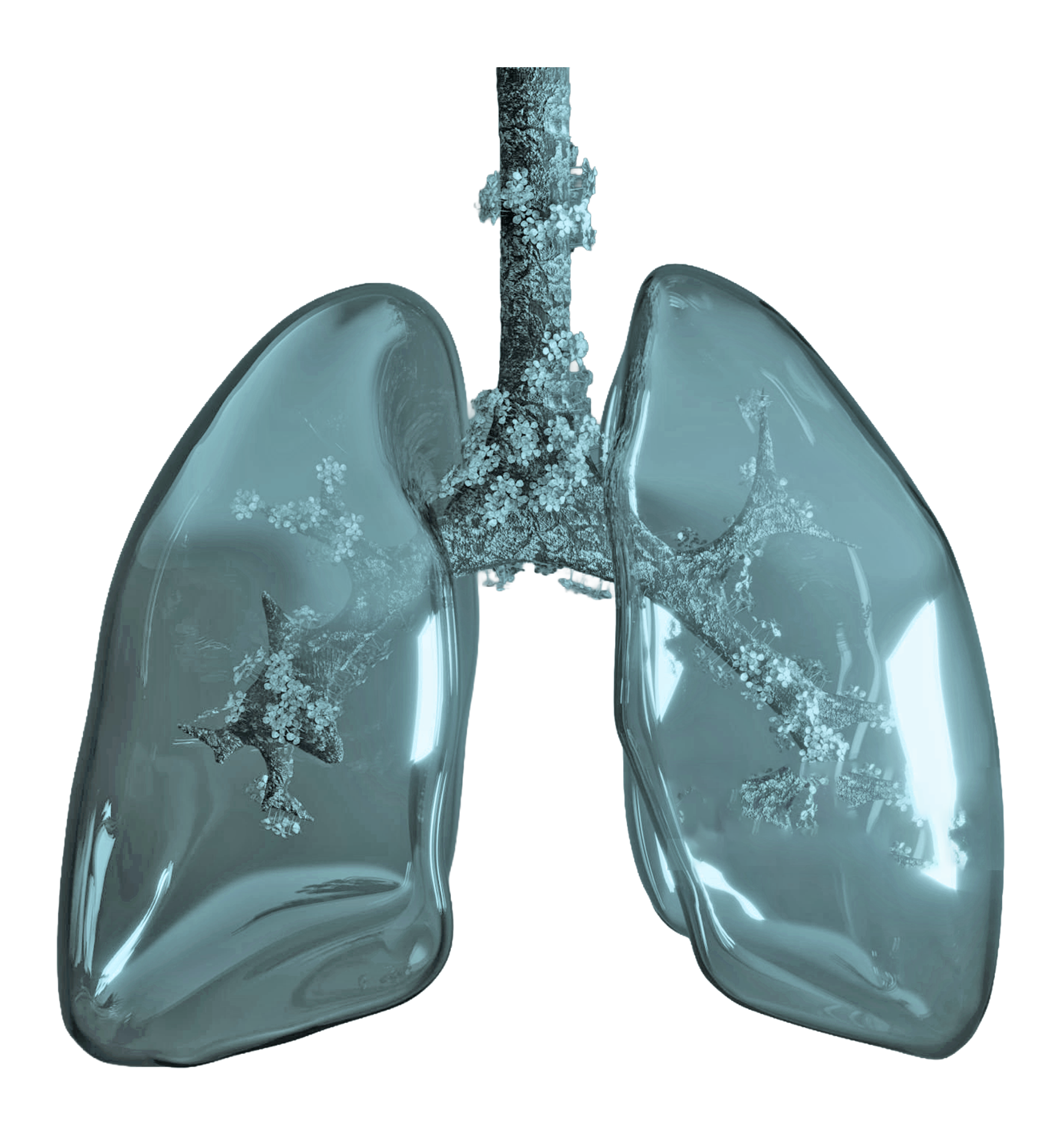 COVID-19 prevention methods such as masking and social distancing also suppressed the circulation of common respiratory diseases, leaving young children lacking immunity to pathogens they otherwise would have been exposed to, a new multicenter clinical research study reveals. The investigators say their findings help explain the large post-pandemic rebound in these diseases and enable more accurate predictions for the future.